
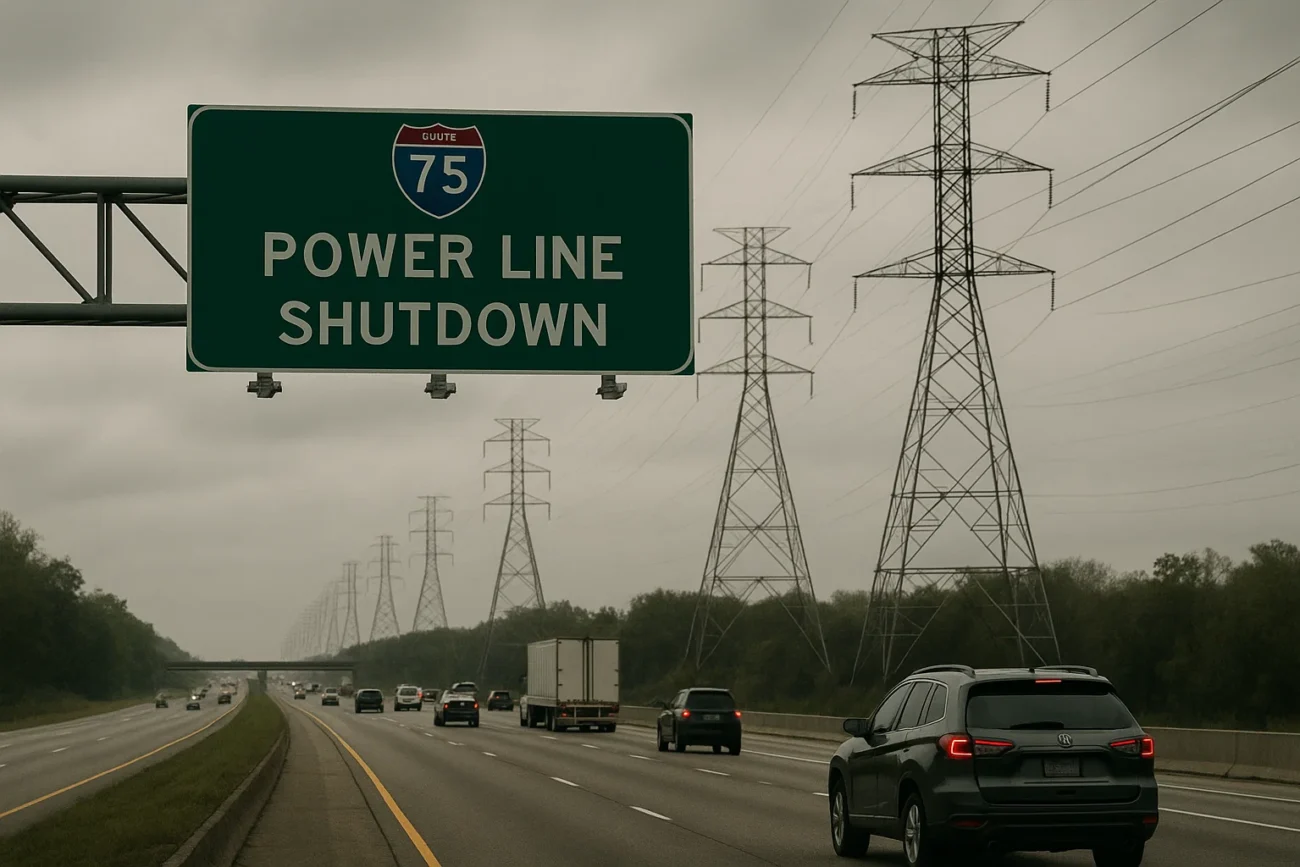
Introduction to the I-75 Power Line Shutdown
The I-75 power line shutdown represents a significant disruption in the daily lives of commuters and local residents in parts of the affected area. This event, occurring along the busy I-75 corridor, is part of routine infrastructure maintenance necessary to ensure the safety and reliability of electrical services. Utility companies occasionally undertake such shutdowns to inspect, repair, or upgrade power lines, ensuring they can withstand various environmental factors and meet the growing energy demands of the local community.
The shutdown impacts a critical artery in the transportation network, leading to service disruptions that can affect not only individual commuters but also emergency services, businesses, and public transport systems. The power line itself might be a crucial source of energy for various facilities and communities located nearby, emphasizing the importance of careful planning and transparent communication during such events. Local authorities and utility companies typically engage in preemptive measures to inform the public about the shutdown dates, anticipated impacts, and any alternative arrangements that might be in place.
As the shutdown unfolds, its effects will be scrutinized and analyzed to better understand the interplay between infrastructure management, community well-being, and public safety. By being proactive, local leaders aim to mitigate negative impacts and ensure that essential services remain available throughout this operational period.
Causes Behind the Shutdown
The I-75 power line shutdown was implemented due to a combination of factors that demanded immediate and thorough attention. Primarily, the need for maintenance work played a significant role in this decision. Power lines, particularly those that stretch across heavily trafficked routes like I-75, require regular assessments and repairs to ensure safely and reliability. Failure to conduct these maintenance checks can lead to serious safety hazards, including potential malfunctions and outages, which underscores the importance of timely intervention.
Additionally, safety inspections were another crucial element in determining the need for the shutdown. Utility companies, in collaboration with local authorities, routinely conduct inspections to evaluate the structural integrity of power lines. During these assessments, inspections may reveal weaknesses or damages that could compromise the functionality of the power grid. Such findings necessitate immediate action, prompting the shutdown to facilitate repairs and ensure the ongoing safety of both the infrastructure and the public.
Extreme weather conditions also contributed significantly to the I-75 power line shutdown. Natural events, such as storms or severe wind, can lead to the degradation of power lines, making it essential to evaluate their condition post-event. The unpredictability of these weather patterns can pose additional risks, requiring utility providers to act swiftly. Collaborating with local government agencies, utility companies made informed decisions regarding the closure. By assessing both immediate risks and long-term impacts, authorities aimed to mitigate potential hazards, making the shutdown a proactive measure. The complex interplay of maintenance needs, inspection outcomes, and weather-related concerns reveals why this shutdown was not merely a routine process but rather a vital precaution for public safety and infrastructure reliability.
Impact on Traffic and Local Businesses
The recent I-75 power line shutdown has significant implications for both traffic patterns and local businesses in the vicinity. During this unplanned closure, many commuters have encountered extensive detours and delays, as alternative routes become saturated with increased traffic volumes. Local authorities have implemented temporary measures to manage the flow of vehicles around the affected areas; however, these detours have resulted in longer travel times and increased congestion on secondary roads.
For many businesses that rely heavily on commuter traffic, this shutdown presents both immediate and long-term challenges. Local shops, restaurants, and service providers often see a sharp decline in foot traffic when highway access is restricted. For instance, a nearby café reported a 40% drop in sales since the shutdown began, highlighting the tangible impact on revenue for establishments dependent on frequent patronage from commuters. Business owners are expressing concerns about their ability to recover lost income during this period, which could lead to long-term economic challenges for the local economy.
Moreover, the I-75 power line shutdown is a poignant reminder of how infrastructure issues can ripple through the community. Some business owners have resorted to creative marketing strategies, such as offering discounts and specials, to lure customers despite the inconvenient traffic conditions. However, these initiatives may not be enough to offset the financial strains experienced during this disruption. Long-term effects could extend beyond immediate lost sales, as persistent traffic issues may lead to reputational damage for businesses that are less accessible.
As the situation unfolds, it becomes evident that the I-75 power line shutdown is not merely an inconvenience, but rather a significant event that demands concerted efforts from both local authorities and businesses to adapt and recover.
Looking Ahead: Future Considerations and Solutions
The I-75 power line shutdown has instigated a reevaluation of existing infrastructure management strategies and highlighted the importance of proactive planning. As utility companies and local governments work towards resuming service, the emphasis will be on safety, reliability, and efficient communication. Ongoing maintenance practices will be critical to prevent subsequent disruptions to power supply, particularly in regions directly affected by the shutdown.
In response to the I-75 power line shutdown, several initiatives are being proposed to enhance the resilience of the power grid. These plans may include the installation of advanced monitoring systems that provide real-time data regarding grid conditions and potential vulnerabilities. By utilizing smart grid technology, utility companies can detect and address issues before they escalate into major disruptions, thereby improving overall service reliability.
Furthermore, public communication plays a vital role in managing community expectations and sustaining trust. Utility providers are encouraged to develop clear and timely information channels to inform residents about ongoing maintenance and restoration efforts after the shutdown. Regular updates can help alleviate misunderstandings related to service disruptions and empower communities to take informed actions during such events.
Residents can also play an integral part in this equation by engaging with local government and utility representatives. Community forums and informational workshops can serve as platforms for dialogue, allowing individuals to express concerns, share experiences, and collaboratively brainstorm potential solutions to infrastructure challenges. Additionally, subscribing to utility newsletters or local government updates will keep them informed about ongoing issues and initiatives.
By prioritizing these prospective measures and fostering collaboration between utility companies and the affected communities, the potential for future I-75 power line shutdowns can be significantly minimized, creating a more reliable and resilient infrastructure for all.
About the Author