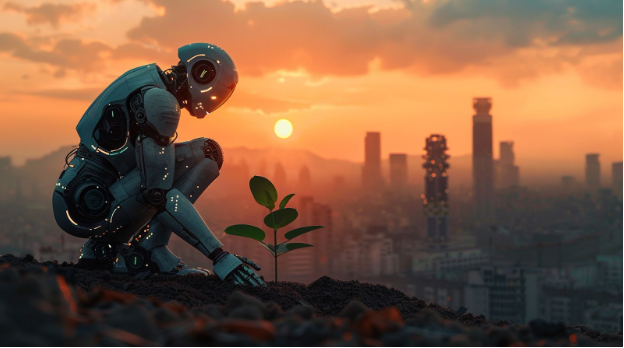
A blank canvas used to be intimidating. Now, it’s optional.
With AI image generators, a single sentence can become digital art in seconds. No brushes. No design degree. Just words turning into visuals that look polished, creative, and ready to use.
In this guide, I’ll walk you through 9 AI image generators that turn text into art, explain what each tool does best, and show how these images fit into modern content and video workflows. The focus is simple: speed, quality, and real-world use.
If you create content, ads, thumbnails, or videos, this list will help you pick the right tool without wasting time.
What Does “Text to Art” Actually Mean?
Text-to-art tools use AI models trained on massive image datasets. You describe a scene, style, or idea, and the tool generates artwork based on your prompt.
A strong ai image generator helps you:
- Turn ideas into visuals instantly
- Explore styles like realistic, cinematic, illustrated, or abstract
- Create assets for social posts, blogs, ads, and videos
- Experiment without starting from scratch
The best tools don’t just create pretty images, they fit into how creators actually work.
1. Invideo
Best for Turning Text Into Art You Can Actually Use. Invideo AI generator is built for creators who want more than just art, they want usable visuals.
You describe your idea in plain English, and the tool generates clean, professional images that work for thumbnails, ads, social posts, and videos.
What sets it apart is workflow.
With this AI image generator, you can:
- Turn text prompts into high-quality images
- Generate visuals sized for real platforms
- Use images instantly inside videos and campaigns
- Keep visual style consistent across content
You’re not creating art in isolation. You’re creating assets that plug directly into content. If your art needs to become content, not just inspiration, this is a strong place to start.
2. Midjourney
Best for Artistic and Cinematic Text-to-Art. Midjourney is one of the most popular tools for turning text into visually striking art.
It excels at:
- Painterly styles
- Cinematic lighting
- Concept and fantasy visuals
The results often feel like digital paintings rather than stock images.
That said, it’s better for inspiration and art exploration than fast marketing workflows. You’ll spend more time refining prompts, but the creative payoff can be huge.
3. DALL·E
Best for Clean and Literal Prompt Results. DALL·E is great when you want your text prompt interpreted clearly and directly.
It works well for:
- Blog illustrations
- Simple creative concepts
- Visual metaphors
The images are clean and understandable, though less stylized compared to art-first tools like Midjourney.
If clarity matters more than drama, this is a solid option.
4. Adobe Firefly
Best for Brand-Friendly AI Art. Adobe Firefly focuses on safe, professional visuals designed for commercial use.
It’s ideal for teams that need:
- Brand-aligned visuals
- Predictable, polished results
- Integration with design tools
The art style leans more practical than experimental, which is exactly why many businesses prefer it.
5. Leonardo AI
Best for Detailed and Styled Artwork. Leonardo AI gives you more control over how your text turns into art.
You can adjust:
- Style strength
- Lighting
- Level of detail
This makes it popular for creators who want precision without manual illustration.
It’s powerful, but beginners may need some time to get comfortable with the settings.
6. NightCafe
Best for Creative Exploration. NightCafe is built for experimentation.
It supports multiple art styles and models, letting you test different looks from the same prompt.
Good for
- Abstract art
- Creative prompts
- Artistic experimentation
It’s less focused on marketing output, but great for discovering unique visual directions.
7. Dream by WOMBO
Best for Fast, Fun AI Art. Dream by WOMBO is simple and fast.
You enter a prompt, pick a style, and get artwork almost instantly.
It’s ideal for:
- Quick ideas
- Casual creators
- Social media visuals
You won’t get deep customization, but it’s fun and accessible.
8. Runway
Best for AI Art That Moves Into Video. Runway bridges the gap between static art and motion.
You can generate visuals from text and then animate, edit, or extend them into video scenes.
This makes it useful for:
- Experimental visuals
- Creative video projects
- AI-assisted storytelling
It’s more advanced, but powerful for creators who want art and motion together.
9. Stable Diffusion (Custom Implementations)
Best for Full Creative Control. Stable Diffusion is the foundation behind many AI art tools.
When used through custom platforms, it offers:
- Deep customization
- Control over styles and outputs
- Flexibility for advanced users
It’s not beginner-friendly, but if control matters more than speed, it’s unmatched.
Turning AI Art Into Videos (Where Most Tools Stop)
Creating art is just step one.
Most creators want to:
- Turn artwork into reels
- Animate images into ads
- Combine visuals with text and music
That’s where video tools come in.
How to Choose the Right Text-to-Art Tool
Ask yourself:
- Do I want artistic expression or usable assets?
- Are these images for inspiration, or real content?
- Will these visuals end up in videos or ads?
If your art is part of a content pipeline, tools that connect image generation with video creation will save you the most time.
Final Thoughts
Text-to-art AI tools have changed how creativity works. You no longer need perfect skills, just clear ideas.
The best AI image generators don’t just create art. They help you publish faster, test more ideas, and turn imagination into content.Start with one tool. Write real prompts. Use the images in real projects. That’s how text turns into art that actually matters.
About the Author