What is Eporer and Why It Matters
Eporer is a term utilized to describe a transformative framework that revolutionizes technology’s operational capabilities across diverse sectors. Originating from the need to enhance efficiency and optimize resource allocation, eporer embodies a blend of innovative architectures and advanced methodologies that challenge the limitations of traditional systems. By understanding its fundamental principles, we can appreciate the significance of eporer in contemporary technological contexts.
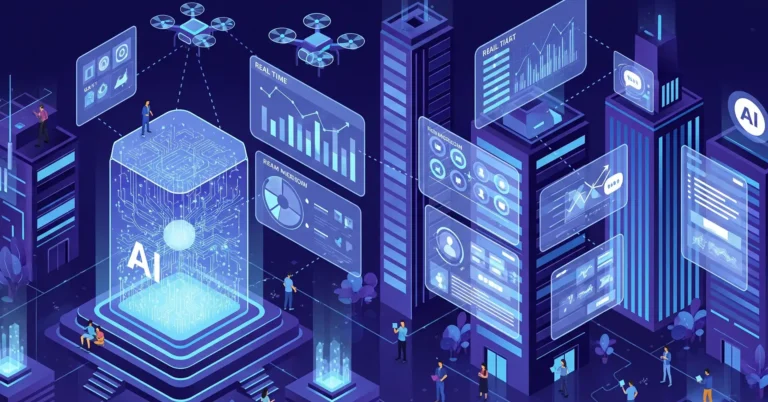
At its core, eporer integrates decentralized networks, intelligent automation, and data analytics—components that are essential in the modern digital landscape. This integration enables real-time decision-making and fosters collaboration across different disciplines, allowing organizations to respond promptly to market demands. Unlike conventional approaches that typically rely on hierarchical structures, eporer embraces agility and adaptability, characteristics vital for navigating today’s fast-paced environment.
The relevance of eporer extends far beyond theoretical discussions; it plays a crucial role in numerous industries, including healthcare, finance, and manufacturing. Within healthcare, for example, eporer systems facilitate better patient management through enhanced data sharing, thereby improving treatment efficacy. In finance, the principles underlying eporer enable the development of secure transaction processes that protect against fraud while simultaneously ensuring transparency. As we move forward, the potential impact of eporer will likely expand, ushering in a new era of innovation that prioritizes integration and collaboration.
In light of these advancements, embracing eporer is not merely a choice but a necessity for organizations aiming to thrive in increasingly competitive markets. The adoption of eporer-driven technology signifies a shift towards smarter solutions, paving the way for future breakthroughs that promise to redefine our interaction with technology.
Key Features and Advantages of Eporer
Eporer, an innovative technological solution, offers a range of features that distinguish it from counterparts in the market. One standout feature is its adaptive learning capability, which allows the system to evolve based on user interactions and data patterns. This means that over time, eporer becomes increasingly efficient and tailored to individual user needs, making it an invaluable asset across various industries.
Another significant advantage of eporer is its seamless integration with existing systems. Whether in healthcare, finance, or logistics, eporer can be incorporated without the need for extensive overhauls, resulting in minimal downtime and disruption. This characteristic enables organizations to leverage eporer’s functionalities quickly and effectively, enhancing operational efficiency from the outset.
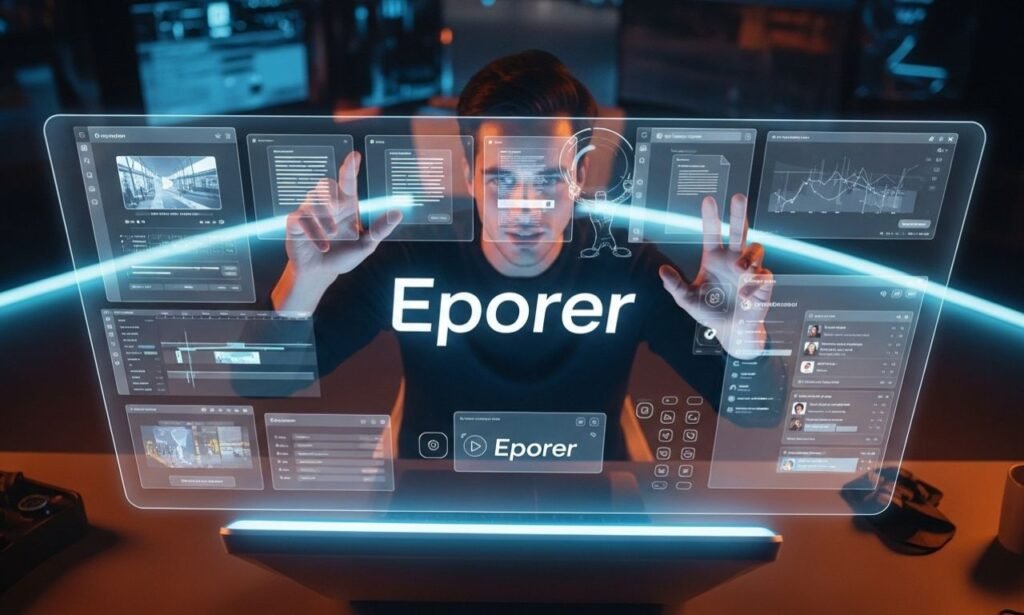
Additionally, eporer is designed with user experience in mind. Its intuitive interface facilitates ease of use, allowing users to navigate its features effortlessly. This user-centric approach reduces the learning curve typically associated with new technologies and empowers employees to maximize productivity right away. Moreover, eporer’s robust security measures ensure that user data remains confidential and protected, a crucial element for businesses handling sensitive information.
The transformative potential of eporer is exemplified through real-world applications. In the healthcare sector, for instance, eporer has been utilized to streamline patient management systems, resulting in improved patient care and resource allocation. Similarly, in the logistics industry, eporer’s advanced tracking features have enabled firms to optimize delivery routes and timelines, thereby cutting costs and enhancing customer satisfaction.
The combination of these key functionalities not only sets eporer apart but also illustrates its capability to drive innovation and efficiency across sectors. As organizations continue to embrace digital transformation, the advantages presented by eporer will undoubtedly play a pivotal role in shaping their future operational strategies.
Challenges and Limitations of Eporer
The integration of eporer technology has revolutionized various sectors, offering innovative solutions. However, the adoption process is not without its challenges and limitations. Organizations may encounter several technical hurdles, particularly during the implementation stage. For instance, existing legacy systems may require significant adjustments to integrate effectively with newer eporer applications. This can lead to increased downtime and potential disruptions to business operations.
Financial constraints also pose a notable challenge. The initial investment in eporer systems can be substantial, encompassing hardware, software, and training costs. For smaller organizations, these expenses may divert critical resources away from other important initiatives. Additionally, organizations must grapple with ongoing maintenance and support costs that can accumulate over time, further complicating budget allocations.
Operational challenges cannot be overlooked either. Employees might resist transitioning to eporer-driven processes, stemming from uncertainty or lack of familiarity with the new technology. This resistance can create a divide between early adopters and those hesitant to embrace change, potentially leading to inefficiencies. Providing comprehensive training and support is essential to ensure a smooth transition and to encourage wide-scale acceptance among team members.
Despite these challenges, the decision to adopt eporer technology can yield significant benefits. It is crucial for organizations to weigh the pros and cons before implementing such systems. Establishing a thorough risk management plan can help mitigate potential pitfalls. This plan should encompass strategies like phased rollouts to allow gradual adaptation, alongside continuous feedback mechanisms to identify and address issues promptly.
In conclusion, while eporer technology provides transformative opportunities, navigating its challenges requires careful planning, effective communication, and a commitment to employee empowerment. By recognizing the limitations and implementing targeted strategies, organizations can enhance overall operational efficacy and optimize their investment in eporer.
The Future of Eporer: Trends and Predictions
The trajectory of eporer technology suggests a dynamic evolution, driven by numerous emerging trends that are poised to redefine its application and reach. One significant trend is the increasing integration of artificial intelligence (AI) within eporer systems, enhancing their capacity for data analysis and decision-making. As AI technologies advance, they will empower eporer to process complex datasets rapidly, leading to more informed decision-making in various sectors, including finance, healthcare, and logistics.
Another key trend is the rise of the Internet of Things (IoT), which will likely amplify the capabilities of eporer technologies. The interconnectedness of devices will enable eporer systems to gather real-time data from myriad sources, fostering a new level of responsiveness and efficiency. This synergy is expected to drive innovations that enhance operational efficiency and user experience, ultimately positioning eporer at the forefront of modern technological ecosystems.
Moreover, sustainability is becoming an essential factor in the development of eporer technologies. As global awareness of climate change and resource scarcity grows, there is an increasing demand for solutions that minimize environmental impact. Future eporer advancements may focus on energy-efficient processes and applications that support sustainable practices, reflecting a broader societal shift towards ecological responsibility.
Expert predictions indicate that the advancements in eporer may also include the development of more user-friendly interfaces, ensuring accessibility for diverse user demographics. This democratization of technology could facilitate broader adoption across industries, empowering a wider range of professionals to leverage eporer in their workflows.
In conclusion, the future of eporer technology is bright, guided by trends that emphasize integration, sustainability, and usability. Staying informed and engaged with ongoing developments in the field of eporer is crucial for individuals and organizations alike, as these advancements will significantly influence the future landscape of modern technology.
About the Author