
Unpacking Qoghundos: What Are They?
Qoghundo, a traditional dish with origins rooted in the rich culture of Central Asia, is renowned for its unique flavors and nutritional value. This dish combines a diverse array of ingredients that not only contribute to its taste but also offer various health benefits. The exact composition of Qoghundos can vary by region, reflecting local agricultural practices and culinary traditions. However, the core elements typically remain consistent, consisting of grains, meats, vegetables, and an assortment of spices.
The cultural significance of Qoghundos is profound, often served during communal gatherings, festive occasions, and family events. In many societies, it symbolizes hospitality and a sharing of resources, reflecting the values of generosity and togetherness. The preparation of Qoghundos is often an elaborate affair, with families engaging in the cooking process as a community-building activity. This traditional practice leads to the passing down of recipes through generations, ensuring the sustenance of cultural identity.
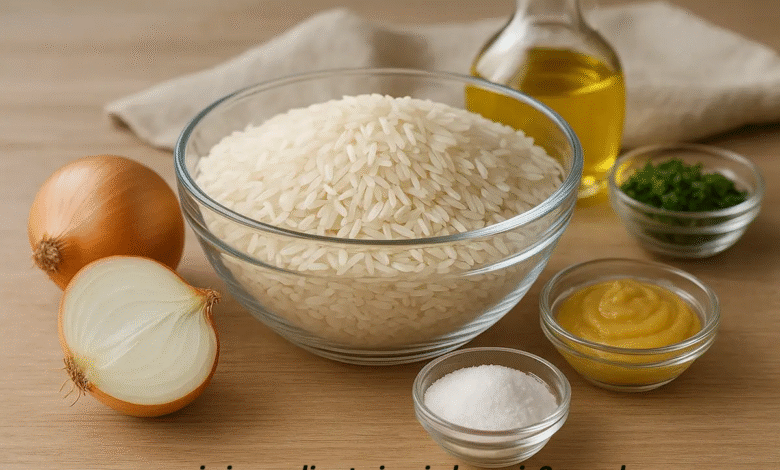
When examining the ingredients in Qoghundos, one will notice the integration of staples such as rice or barley, which serve as the base of the dish. Additionally, meats like lamb or chicken are frequently incorporated, providing essential proteins. Vegetables such as carrots and onions not only add flavor but also enhance the dish’s nutritional profile. Various spices, including cumin and coriander, lend aromatic qualities and potential health benefits associated with digestion and metabolism. Thus, understanding these components is critical to assessing whether the ingredients in Qoghundos are good, as they collectively contribute to both the dish’s appeal and its healthful properties.
The Nutritional Profile of Qoghundos Ingredients
The assessment of whether the ingredients in Qoghundos are beneficial begins with an examination of their nutritional profile. Qoghundos, a traditional dish often enjoyed in Central Asian cuisine, is typically made with various ingredients that contribute to its overall health benefits. Key components generally include rice, lamb, vegetables, and a blend of spices, each offering unique nutritional properties.
Rice, a staple carbohydrate, provides a significant source of energy while being low in fat. In addition to its role as an energy source, it typically contains essential vitamins such as B6 and folate, which are vital for metabolic functions. When looking at the protein content, lamb serves as a primary source, delivering high-quality protein that is crucial for muscle growth and repair. Lamb is also rich in important nutrients such as iron, zinc, and Vitamin B12. These micronutrients contribute to improved immune function, energy production, and overall health.
Vegetables used in Qoghundos, such as carrots and onions, introduce a variety of vitamins and minerals. Carrots, for instance, are known for their high beta-carotene content, which is converted to Vitamin A in the body and supports eye health. Onions, on the other hand, provide antioxidants and anti-inflammatory properties, which have been linked to numerous health benefits, including reduced risk of chronic diseases.
Spices commonly added to Qoghundos, like cumin and coriander, not only enhance flavor but also offer additional health benefits. These spices are rich in antioxidants, which may help counter oxidative stress in the body. Overall, analyzing the nutritional components of Qoghundos leads to a clearer understanding of their dietary value. As such, the ingredients in Qoghundos can be considered beneficial due to their diverse range of nutrients supporting health and well-being.
Potential Health Benefits: Are Qoghundos Ingredients a Good Choice?
Qoghundos, a traditional dish celebrated in various cultures, is often lauded for not only its culinary appeal but also the potential health benefits associated with its ingredients. The composition of Qoghundos generally includes a variety of wholesome ingredients, each contributing uniquely to overall well-being. Analyzing these components can help determine if the ingredients in Qoghundos are indeed a good choice for health-conscious individuals.
One of the primary ingredients in Qoghundos is often whole grains, known for their rich fiber content, which can promote digestive health and help manage weight. Numerous studies suggest that dietary fiber may play a vital role in reducing the risk of chronic diseases, such as heart disease and diabetes. Whole grains are also associated with improved gut health, which is crucial for overall wellness. In contrast, refined grains can lead to spikes in blood sugar, making the selection of whole grains in Qoghundos a potentially beneficial option.
In addition to whole grains, Qoghundos frequently incorporates fruits and vegetables, which are well-documented for their positive effects on health. These fresh ingredients are rich in vitamins, minerals, and antioxidants that are essential for the immune system, reducing inflammation, and combating oxidative stress. Research indicates that a diet abundant in fruits and vegetables is linked to a lower incidence of certain health conditions, including cardiovascular disease and specific cancers.
Moreover, the inclusion of healthy fats, such as those derived from nuts and seeds, provides a source of essential fatty acids, which are crucial in supporting brain health and cognitive function. Some studies emphasize that these fats can improve lipid profiles, further underscoring the health-enhancing potential of Qoghundos ingredients.
Therefore, when assessed in the context of dietary preferences and health conditions, the ingredients found in Qoghundos can be seen as beneficial. By facilitating a robust nutrient profile, these ingredients may effectively contribute to a balanced diet, supporting the overarching question regarding the goodness of ingredients in Qoghundos.
Considerations and Conclusion: Making an Informed Decision
When evaluating whether the ingredients in Qoghundos are beneficial, it is crucial to consider individual health circumstances. While many ingredients may offer health benefits, they can also pose potential downsides depending on a person’s unique sensitivities and allergies. For instance, certain ingredients can trigger allergic reactions in susceptible individuals. As such, it is important to examine ingredient labels carefully and be discerning before consuming such products.
Moreover, specific ingredients may have varying effects based on one’s overall health. Individuals with pre-existing health conditions or those on specific medication regimens should consult healthcare professionals before introducing new food products into their diets. Additionally, moderation is paramount. Overconsumption of any food, regardless of its perceived health benefits, can lead to unwanted side effects. Striking a balance and integrating Qoghundos into a varied diet can help mitigate these risks.
In addressing the question of “are the ingredients in Qoghundos good?” it becomes evident that the answer is not one-size-fits-all. The ingredients may indeed offer beneficial properties for a majority of individuals; however, these benefits should be weighed against potential drawbacks on a person-by-person basis. Ultimately, making informed dietary choices requires careful reflection on personal health needs, ingredient knowledge, and overall nutritional balance.
In conclusion, while Qoghundos can be a viable addition to a healthy diet for many, the implications of its ingredients should not be overlooked. By considering any allergies, sensitivities, and the importance of moderation, consumers can make educated decisions that align with their health goals and preferences.
About the Author