
The Importance of Proper Noun Capitalization
Capitalization in the English language serves multiple purposes, particularly when it pertains to proper nouns. The practice of capitalizing proper nouns, such as LAKE TEXOMA, is a fundamental rule that brings clarity, respect, and accuracy to communication. By using capitalization, writers can provide readers with immediate recognition of significant names, locations, or entities, which helps in avoiding misunderstandings. This is especially important when discussing specific geographical features, such as lakes and rivers that are integral to various regions.
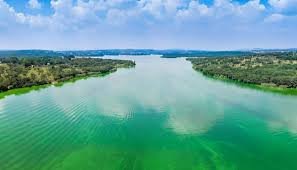
The rules surrounding proper noun capitalization are quite straightforward. Any unique name of a person, place, or organization should be capitalized. For instance, referring to the peaceful waters of LAKE TEXOMA emphasizes its status as a distinct body of water in the Texoma region, differentiating it from other lakes that may exist nearby. This ensures that readers clearly understand which lake is being referenced, thus avoiding any potential ambiguity.
Moreover, the use of capitalization can denote respect for names that hold historical, cultural, or social significance. By capitalizing proper nouns like LAKE TEXOMA, writers uphold the integrity of the name, fostering a sense of cultural appreciation and awareness among readers. This not only aids in effective communication but also encourages a deeper connection with the subjects being discussed.
Failure to adhere to proper noun capitalization can lead to confusion and a lack of professionalism in writing. Therefore, it is crucial for writers to maintain these standards, ensuring that terms like LAKE TEXOMA receive the respect and recognition they deserve. This attention to detail conveys authority and reinforces the credibility of the content.
Lake Texoma: A Unique Geographical Identifier
LAKE TEXOMA is a prominent reservoir located in the United States, formed by the construction of the Denison Dam on the Red River. Spanning the border of Texas and Oklahoma, this expansive body of water offers a distinctive geographical identifier that sets it apart from other lakes in the region. The lake covers approximately 89,000 acres, making it one of the largest reservoirs in the country, which adds to its significance as both a natural resource and recreational destination.
One of the unique characteristics of LAKE TEXOMA is its dual-state relevance. Due to its location straddling two states, it serves as a critical resource for both Texas and Oklahoma, providing vital water supply, flood control, and hydroelectric power generation. The lake is not only a significant waterway but also a celebrated spot for various recreational activities, including boating, fishing, and camping. Its expansive shores attract visitors year-round, contributing to the local economy and becoming a beloved destination for families and nature enthusiasts alike.
Additionally, LAKE TEXOMA has a rich cultural and historical context. The name ‘Texoma’ is derived from the merging of ‘Texas’ and ‘Oklahoma’, which emphasizes the collaborative relationship between the two states. Over the years, it has been featured in numerous stories and local folklore, growing its narrative beyond just a geographical marker to a symbol of partnership and shared heritage. By recognizing LAKE TEXOMA as a specific entity, it underscores the necessity of capitalizing its name to reflect its unique identity and significance in the landscape of American landmarks.
The Cultural Significance of Lake Texoma’s Name
The name “Lake Texoma” carries profound cultural significance that extends beyond its geographical location. The term itself represents a fusion of the Choctaw words “tukumpa” (meaning “water”) and “oma” (meaning “big”), which speaks to the lake’s historical roots and the indigenous heritage of the region. This etymology not only acknowledges the original inhabitants but also emphasizes the integral role that the lake has played in the lives of both historical and contemporary communities.
Lake Texoma serves as a pivotal landmark in both Texas and Oklahoma, contributing to the regional identity of these states. The lake is not merely a recreational spot; it symbolizes unity and collaboration among diverse communities that surround it. This geographical and cultural border has fostered a spirit of camaraderie, drawing families and individuals to partake in various activities that enhance local pride—from fishing and boating to hosting community events. Thus, the capitalization of its name serves as a recognition of the lake’s importance in the collective consciousness of those who cherish it.
Furthermore, Lake Texoma has been a source of inspiration for numerous artistic and literary works, encapsulating the beauty of nature and the human experience in tandem. Local artists often find in the lake’s landscapes a muse that reflects both personal and communal narratives. The name itself, by being properly capitalized, asserts the significance of these cultural expressions, ensuring that the lake is respected as more than just a body of water but as a cultural beacon.
Community members often recount stories of family gatherings around the lake, celebrating milestones that forge lifelong memories. In this context, the name “Lake Texoma” transcends the physical; it embodies a sense of belonging and shared history that binds people together, making the case for its capitalization not just a matter of grammatical accuracy, but a reflection of cherished cultural values.
Promoting Awareness for Proper Capitalization
To foster a culture of proper capitalization of terms such as Lake Texoma, it is essential for writers, educators, and community members to take proactive steps. One effective approach is through education. Educational institutions can incorporate lessons on grammar and punctuation that include the significance of capitalizing proper nouns, particularly geographical locations like Lake Texoma. By integrating exercises and discussions surrounding this topic, students will develop a stronger understanding of its importance.
Furthermore, local writers and bloggers can contribute by setting a standard through their own work. By consistently using a correct format when referring to Lake Texoma, they not only enhance their credibility but also model proper usage for their readership. This sets a precedent that encourages others to follow suit, promoting wider awareness and understanding.
Community workshops and writing clubs can also serve as platforms to raise awareness. Organizing sessions dedicated to grammar and capitalization can motivate participants to pay attention to these details in their own writing. Inviting knowledgeable speakers or grammar experts can provide valuable insights, enriching the community’s knowledge base and appreciation for proper terminology.
In addition, leveraging social media’s reach is another viable method. Local social media groups can engage in discussions that highlight the importance of proper capitalization, turning it into a fun and informative collective effort. Hashtags related to Lake Texoma can also lead to a more structured conversation around maintaining correct language practices.
By combining these approaches, the goal of promoting proper capitalization within communities surrounding Lake Texoma can become a shared responsibility that boosts collective literacy and enhances communication. This will ensure that vital geographical landmarks are recognized with the respect they deserve, reinforcing proper language usage across various platforms.
About the Author