
What is Pragatizacao?
Pragatizacao is a multifaceted concept that embodies the principles of modernization and practical application across various domains. Originating from the Brazilian context, the term denotes a shift towards practicality and efficiency, especially in governance and policy making. It emphasizes the need for actions that are grounded in real-world applicability rather than theoretical ideals. This transformation has become increasingly relevant as societies strive to navigate the complexities of rapid technological advancement and global challenges.
The origins of pragatizacao can be traced back to a broader discourse on modernization theory, which began gaining traction in the mid-20th century. This theory stressed the importance of adapting to changing socio-economic conditions and the necessity of evolving existing systems within education, technology, and infrastructure to meet contemporary demands. As the world has progressed, the significance of pragatizacao has expanded to include the implementation of innovative solutions that address pressing issues, from digital transformation in education to sustainable urban development.
In various fields, the application of pragatizacao manifests in different ways. In technology, for example, it focuses on creating user-friendly solutions that enhance productivity and accessibility. In education, it promotes methods that prioritize hands-on learning and adaptability to students’ needs, fostering an environment where practical skills are paramount. Similarly, in infrastructure, pragatizacao advocates for sustainable practices that balance growth with environmental conservation, illustrating its broad relevance.
The significance of pragatizacao in contemporary discourse lies in its potential to drive meaningful change. As societies continue to evolve, embracing pragatizacao offers a framework to tackle obstacles with realistic and applicable strategies. This adaptability not only enhances efficiency but also encourages collaborative efforts toward achieving common goals, paving the way for a more sustainable and progressive future.
The Impact of Pragatizacao on Society
Pragatizacao refers to the ongoing process of modernization that affects various dimensions of societal life. It encompasses the transformation in governance, education, healthcare, and infrastructure, promoting significant shifts in how communities interact and function. The social implications of pragatizacao are profound, redefining societal structures and enhancing the quality of life.
One notable example can be seen in the implementation of digital technologies in education systems across different regions. Through pragatizacao, schools have integrated online learning platforms, which have not only made education more accessible but also fostered a collaborative environment for students. Case studies reveal that in urban centers, educational attainment has noticeably improved, particularly in marginalized communities, as a direct result of these modernization efforts. Access to learning resources has significantly increased, empowering students and promoting equality in educational opportunities.
Moreover, in urban development, pragatizacao has transformed infrastructure with an emphasis on sustainability and inclusivity. Cities that have adopted eco-friendly designs and smart technology in their housing and transport systems have witnessed improved living standards. Accessibility to essential services has expanded, leading to reduced congestion and pollution levels. Examples from cities that have embraced these changes highlight how an improved public transport system not only eases mobility but also integrates communities, enabling better social interactions and heightened community involvement.
These case studies illustrate how pragatizacao affects societal dynamics by promoting better access, fostering inclusivity, and enhancing the community’s overall quality of life. The shift toward modernization is not merely about technological advancements but also encompasses forming stronger social bonds and improving individual well-being. As societies continue to embrace pragatizacao, it is crucial to assess its long-term effects and ensure that all community members benefit from these transformations.
Challenges and Criticisms of Pragatizacao
Pragatizacao, while a promising avenue for modernization, is not without its challenges and criticisms. One of the primary obstacles to its implementation is the resistance to change within various sectors. Many organizations and stakeholders are accustomed to traditional practices; therefore, the transition to pragatizacao can provoke apprehension and reluctance. This resistance often stems from a fear of the unknown and the potential implications of adopting new methodologies that prioritize practicality over theoretical applications.
Moreover, there are concerns regarding the effectiveness of pragatizacao in addressing complex societal issues. Critics argue that this approach tends to oversimplify problems and may lead to solutions that are merely temporary or superficial. For instance, when applied in areas like education or public policy, pragatizacao might prioritize quick results over sustainable and long-term development strategies. Additionally, this focus on immediate outcomes can divert attention from underlying systemic issues that require more extensive reforms.
Furthermore, the integration of pragatizacao often faces various infrastructural limitations, particularly in developing regions. The lack of resources, training, and support can hinder the full realization of pragatizacao’s benefits. Without adequate investment in infrastructure and human capital, the attempts to implement this pragmatic approach may falter, resulting in disillusionment among stakeholders. This situation can foster skepticism about the viability and effectiveness of pragatizacao as a transformative strategy.
Despite these challenges, it is important to recognize the potential of pragatizacao to inspire innovative solutions and improvements. Balancing these criticisms with an understanding of its benefits can provide a more comprehensive perspective on its role in modernization efforts. By addressing the challenges head-on and refining the approach, stakeholders can work towards harnessing the full potential of pragatizacao in various contexts.
The Future of Pragatizacao: Trends and Innovations
As we look toward the horizon, pragatizacao stands as a vital catalyst for modernization across various sectors. The need for an integrated approach to development has never been more pressing, and this trend is expected to gain momentum as technology, sustainability, and community engagement evolve. One significant trend is the rapid integration of cutting-edge technologies such as artificial intelligence and blockchain into the pragatizacao framework. These innovations not only streamline processes but also enhance transparency and accountability in governance and economic systems.
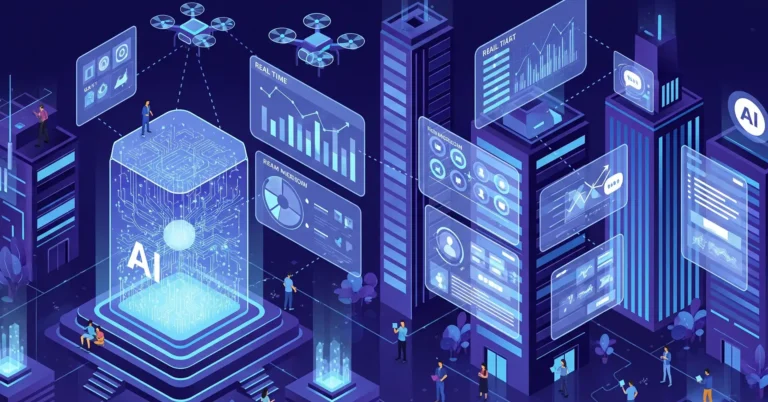
Furthermore, the concept of smart cities is gaining traction, where pragatizacao plays a critical role in creating urban environments that utilize technology to improve the quality of life for residents. Innovations in transportation, energy management, and waste control will be pivotal in shaping modern communities. The key here is leveraging data analytics to achieve efficient resource allocation, resulting in a more sustainable and eco-friendly urban existence.
In addition to technological advancements, there is a growing emphasis on inclusivity within the pragatizacao discourse. This movement advocates for community-driven development initiatives that prioritize local needs and foster civic engagement. The success of these initiatives often depends on the active participation of residents, who are encouraged to express their aspirations and concerns, thereby creating a more equitable approach to modernization.
Moreover, the intersection of economic growth and pragatizacao remains a focal point. The anticipation of strategic partnerships between public and private sectors is expected to lead to innovative funding models that support infrastructure development and social programs. This collaborative approach aims to unlock economic potential while ensuring that marginalized communities are not left behind.
In summary, the future of pragatizacao is boundless, marked by revolutionary trends and innovations that hold the potential to transform economies, elevate technology, and foster community development. As these changes unfold, it is essential for stakeholders at all levels to remain proactive and adaptable, ensuring that the journey of modernization is inclusive and sustainable for all.
About the Author