
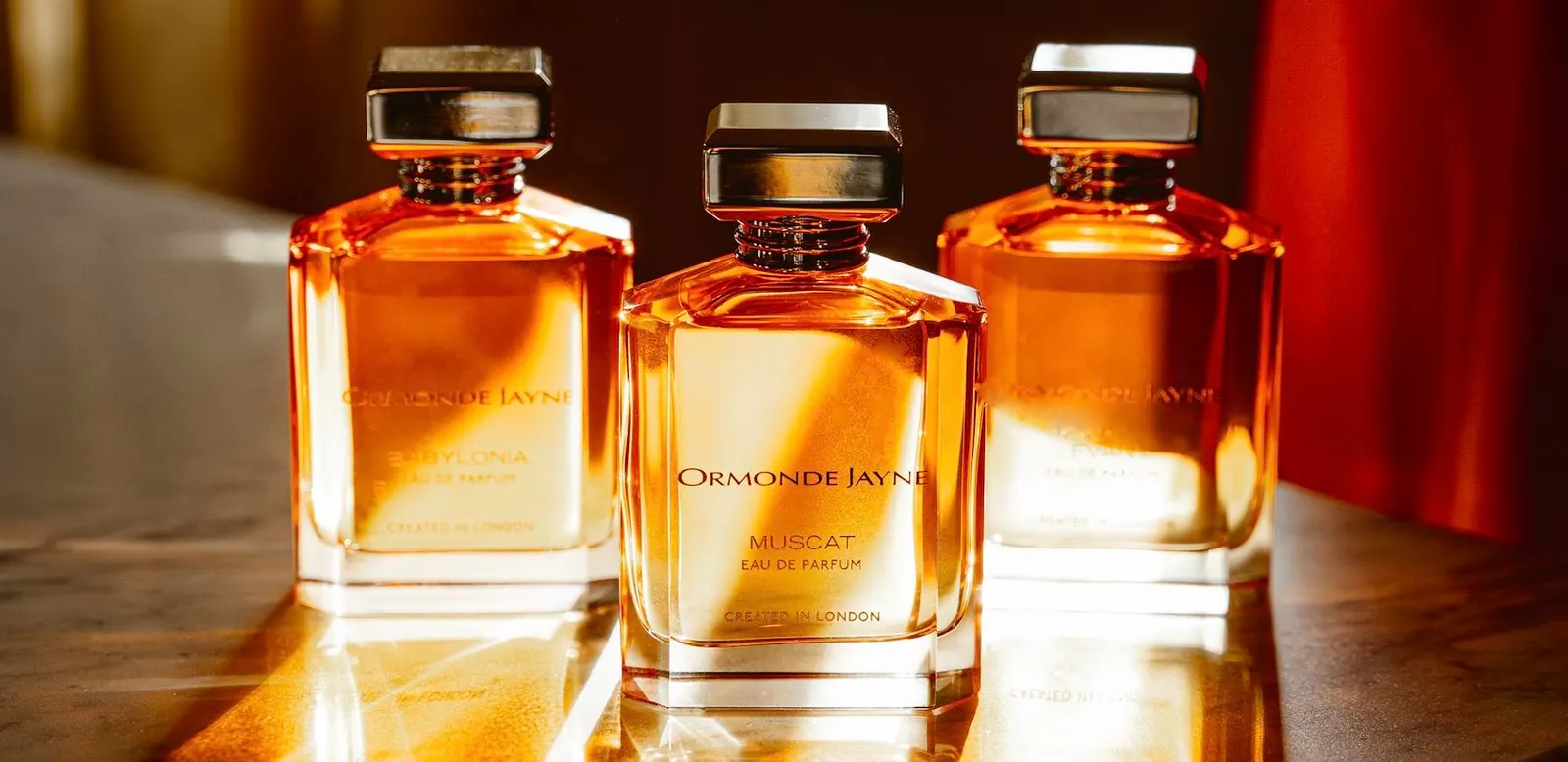
The Evolution of Fragrance Trends: From Mass Scents to Personalization
The fragrance industry has undergone a significant evolution over the past several decades, transitioning from a market dominated by mass-produced scents to one that increasingly embraces personalization and uniqueness. For much of the 20th century, consumers were offered a limited selection of mainstream perfumes, all created to appeal to broad audiences. These mass scents often featured similar notes and formulations, leading to an oversaturation of generic fragrances, where individual identity struggled to shine through.
As consumer preferences shifted, so too did the market dynamics. People began to seek out distinctive fragrances that truly reflected their personalities and lifestyles. The rise of custom and layered perfumes is emblematic of this change. This movement represents a growing desire among individuals to escape the confines of one-size-fits-all scent offerings. Instead, they are increasingly looking for perfumes that allow them to craft their own unique olfactory signature.
This shift can also be attributed to the increasing awareness of individuality within society. As personalization becomes a priority across various industries, from fashion to technology, consumers are beginning to demand the same level of customization in their fragrance choices. The contemporary scent landscape now encourages experimentation, with customers layering scents to create complex and unique fragrances that reflect their individuality.
Moreover, the rise of social media has played a vital role in promoting this trend. Influencers and niche brands are successfully showcasing unique fragrance experiences, further amplifying consumer interest in personalized fragrances. This cultural shift not only highlights a broader societal movement towards customization but also signals a definitive move away from mass scents, underscoring a profound change in consumer behavior that favors personal expression over conformity.
Understanding Custom and Layered Perfumes
Custom and layered perfumes represent a significant departure from traditional mass scents, embracing individuality and self-expression. Custom perfumes are uniquely crafted fragrances created specifically for an individual’s preferences, often tailored through consultations with experienced artisans or perfumers. These professionals utilize their expertise in olfactory science to blend various aromatic compounds, yielding scents that resonate with personal experiences and emotions.
Layered perfumes, on the other hand, are constructed through the combination of various fragrance notes, allowing the wearer to mix and match scents according to mood and occasion. This technique fosters creativity, enabling individuals to develop their signature scent through careful layering of notes, such as florals, citruses, spices, and woods. The practice reflects a growing trend towards personalization in beauty, as consumers increasingly desire products that resonate with their unique identities.
Moreover, the rise of home scent creation kits has further democratized the process of fragrance development. These kits often include a range of essential oils and fragrant compounds, empowering consumers to experiment with different combinations and create their own custom blends at home. This trend not only encourages individuals to engage with the art of perfumery but also symbolizes a shift away from mass-produced fragrances, which often fail to capture the essence of individual personalities.
As consumers increasingly seek to establish a unique olfactory footprint, the notion of personalized fragrances becomes more relevant. The growing popularity of custom and layered perfumes signals a move away from mass scents, highlighting an essential evolution in the fragrance industry towards self-expression and customization. This evolution underscores a broader societal inclination to move away from homogenization in beauty products, emphasizing authenticity and individual significance in one’s personal fragrance journey.
The Impact of Custom Scents on Consumer Behavior and Preferences
The rise of custom and layered perfumes signals a move away from mass scents, reflecting a significant shift in consumer behavior and preferences within the fragrance market. Today’s consumers are increasingly seeking authenticity and originality in their purchasing choices, favoring bespoke perfumes that cater to their unique identities over standardized, mass-produced options. This trend towards personalization reveals deeper psychological and emotional motivations behind consumer preferences, as individuals desire to express their individuality through aromatic experiences.
Brands such as Jo Malone and Atelier Cologne exemplify successful adaptations to this movement. Jo Malone’s offering of customizable fragrances allows consumers to indulge in layering scents, creating a signature smell that resonates with their personal story. Similarly, Atelier Cologne focuses on the concept of “cologne absolue,” which features high concentration and the possibility for layering, inviting users to craft unique olfactory experiences. Such case studies demonstrate how brands are not just responding to market demands but are also actively enhancing consumer engagement through a more tailored approach.
Moreover, the emotional connection that consumers cultivate with personalized fragrances cannot be overlooked. When individuals create or select a custom scent, it often embodies cherished memories, aspirations, or personal milestones, thus forging a deeper bond with the product. This intimacy enhances customer loyalty, as consumers are more likely to return to brands that offer these meaningful experiences.
In conclusion, the growing popularity of custom and layered perfumes reflects a broader cultural movement towards valuing individuality and self-expression, steering consumers away from conventional mass scents. As the industry evolves, understanding these shifting preferences will be crucial for brands aiming to thrive in this rapidly changing landscape.
Future Trends: The Custom Fragrance Landscape Ahead
The fragrance industry is on the brink of significant transformation, heavily influenced by the rise of custom and layered perfumes. As consumers increasingly seek personalized experiences, this shift suggests a long-lasting movement away from mass scents. One of the most prominent trends is the development of technology-driven scent creation. With advancements in artificial intelligence and scent formulation, individuals may soon be able to create their fragrances from the comfort of their homes, ensuring a unique blend tailored specifically to their preferences. Such innovation stands to redefine the existing production models that have primarily favored mass-market scents.
Additionally, social media is playing a pivotal role in shaping fragrance choices. Platforms like Instagram and TikTok are emerging as powerful avenues for advertising niche and custom scents. Influencers and fragrance enthusiasts alike share their personalized creations, thus cultivating a culture of individuality. As these platforms further popularize custom fragrances, brands may need to adapt their marketing strategies to emphasize unique offerings over traditional mass scents. This trend signals that the consumers’ desire for exclusive products may drive up demand for tailored options even more.
In reviewing the market dynamics, it appears that personalization is not just a passing trend; it reflects a deeper consumer desire for identity and authenticity. While mass scents have established themselves firmly within the industry, the inclination towards customization and distinctiveness suggests a growing preference for personalized fragrances. However, it remains uncertain whether traditional mass scents can retain their relevance or experience a resurgence.
Only time will tell how these trends develop within the fragrance landscape, but the evidence hints at a sustained shift in favor of custom and layered perfumes, marking a significant chapter in the evolution of scent production and consumption.
About the Author